The espresso roast
Espresso
19 gcoffee in
40 gin the cup
93 °Cwater
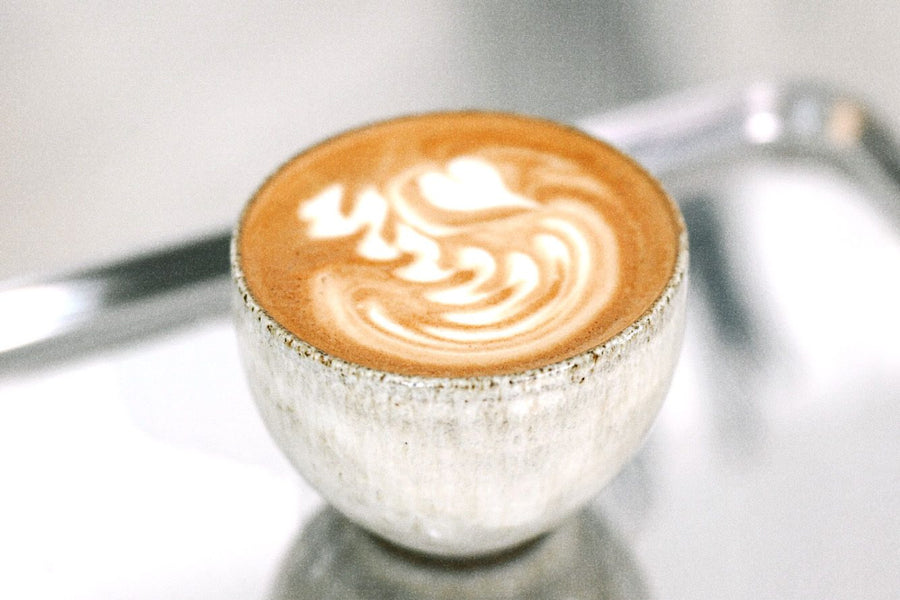
It works well in milk drinks.
Free shipping over 499 kr.Order before 4 pm on a weekday and we ship the next weekday.


Brazil, Catuai and Mundo Novo, Natural
Brazil Casa Mogiana is a coffee you quickly return to. Round, sweet and with a body that carries itself well in the cup. Not a coffee that demands anything of you, but one that rewards you every time.

Casa Mogiana
Casa Mogiana comes from Alta Mogiana, a coffee region on the border between the states of São Paulo and Minas Gerais. The region got its own geographical indication in 2013 and today covers 23 municipalities, 16 in São Paulo and 7 in Minas Gerais. The coffee is grown at 800 to 1,200 metres.
The varieties are Catuai and Mundo Novo, the two most widely grown in Alta Mogiana. Mundo Novo is a natural cross between Bourbon and Typica, and Brazilian farmers have grown it since 1952. The plant is tall and vigorous and gives a large yield. Catuai arrived in 1972 and is a cross between Mundo Novo and Caturra. It is short and compact. The name comes from the Guaraní language and means very good.
Natural
The coffee is natural processed. The cherries are dried whole, and the fruit stays around the bean until it is dry. The fruit ferments along the way, and when it is done well, it gives sweetness and a round body. Mogiana is known for sweet naturals with good structure, which many use for espresso. The NY 2/3 and screen 17/18 grading means few defects and large beans of around 7 mm.
In the cup you get chocolate, dried fruit and apple. We roast it in two versions, espresso and filter, both in small batches on our ROEST P3000 in Vejle.
Casa Mogiana is round and easy to brew.
Espresso
19 gcoffee in
40 gin the cup
93 °Cwater
It works well in milk drinks.
Pour-over
15 gcoffee
260 gwater
92 °Cwater
If the cup tastes flat, grind a little finer.
This is how we brew in the bar. The grind size is not on the cards, because it depends on your grinder. Grind finer if the cup tastes thin or sour, and coarser if it tastes bitter or dry. For espresso, the coffee benefits from resting 7 to 10 days from the roast date.

Peru Blueberry Sol is a fresh and complex coffee with lively acidity and natural sweetness.

Tropical Mist is a floral, fruity Colombian single origin from the rare Ombligon varietal.

Campanha is a natural Arara from Sítio Beija Flor in Mantiqueira de Minas.
Sign up and get 15% off
Get 15% off your first order and be the first to hear about new coffees, events at the coffee bar and upcoming brewing classes.
By signing up you accept our terms and privacy policy.
Your discount code is ready
Redeem the code in your cart. 15% off your first order.